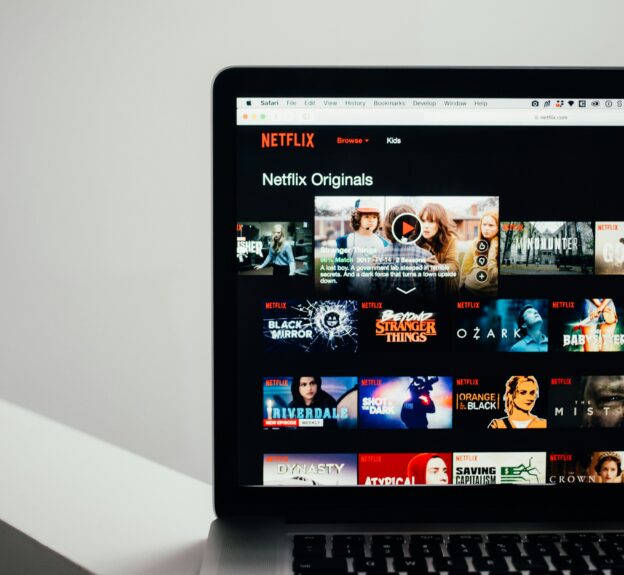
Luis Chacin — Netflix’s proposed purchase of Warner Bros. Discovery’s studio and streaming operations generated one of the biggest modern antitrust questions in media: What happens when one of the largest subscription streaming distributors acquires a major studio and rival streamer in the same swoop? The deal has unfolded in a high-profile, contested process that has put antitrust concern at the center of the discussion. Netflix first announced the acquisition on December 5, 2025, claiming the combination is for the benefit of the consumer. On January 20, 2026, Netflix amended the deal into an all-cash offer, replacing its earlier cash-and-stock offer proposal.
The rival bidder is Paramount Skydance, which has launched a hostile tender offer. They argue that Netflix’s deal is not only cheaper, but harder to close. On January 7, 2026, Warner’s board publicly urged shareholders to reject Paramount’s amended tender offer and reiterated that the Netflix merger agreement is superior across many factors, including closing risk. Regardless, Paramount continued to extend its hostile tender offer deadline to February 20, 2026, after shareholders tendered only about 6.8% of Warner shares by the last deadline. This contested process matters for antitrust because the best deal is the one most likely to clear Section 7 of the Clayton Act, which blocks mergers whose effect may be to substantially lessen competition. If regulators view the Netflix–Warner transaction as increasing Netflix’s ability and incentive to disadvantage rival streamers, then the deal faces heightened enforcement risk and a less credible path to closing, regardless of price.
If the Netflix–Warner transaction were to close, the most likely enforcement theory is vertical foreclosure. As a distribution platform, Netflix competes with popular streaming brands, such as Peacock and Disney+, to give its customers access to television shows and movies. Under this acquisition, Warner will supply both a major content pipeline and a competing streaming brand through HBO and HBO Max. The concern is not that Netflix would remove Warner titles from every other platform; the risk is more subtle. Netflix may change the timing and price of licenses in ways that make competing services less appealing to consumers. It may keep big releases exclusive for longer, offer rivals fewer titles or shorter windows, or charge more for access. In the streaming industry, those small changes can have substantial effects, as a handful of premier shows and franchises often dictate whether subscribers remain with their subscriptions or cancel their accounts.
Netflix may have a valid defense in arguing that broad licensing maximizes revenue and that withholding content would be self-defeating. On the other hand, regulators can argue that the merger violates Section 7 of the Clayton Act because it gives Netflix both the incentive and ability to engage in vertical foreclosure. In that view, accepting less short-term licensing revenue to steer subscribers away from rival streamers, raise rivals’ costs, and strengthen Netflix’s bargaining leverage over time.
Regulatory action will likely rely on the argued definition of the relevant market and whether the agreement would reduce competition.. Netflix is likely to assert the market is broad and crowded, with major competitors creating adequate substitutes for consumers. Regulators may define the market more narrowly, differentiating subscription streaming for premium scripted shows from the licensing market for popular television content. Under that narrower view, Warner’s content becomes harder for rivals to replace, and it is easier to argue that the Netflix-Warner agreement could weaken rivals by changing licensing practices. Congressional scrutiny is also increasing, and reports indicate Netflix co-CEO Ted Sarandos is expected to testify in February at a Senate hearing about the deal’s antitrust implications.
If regulators do not attempt to block the deal, the focus may then shift to conditions that reduce competitive harm. Forcing Netflix to sell major shares of other purchases would defeat the point of the deal, so regulators may instead push for conduct relief—ongoing rules that allow the deal to close but constrain post-merger behavior. Examples include commitment to license content to competitors on fair terms, limits on discriminatory pricing or access, increased reporting and monitoring requirements, and internal firewalls to prevent Netflix from using its control of Warner content to weaken rival streaming services. The difficulty lies in the enforceability of such requirements; that is also why the bidding fight between Paramount and Warner kept emphasizing closing risk. In the modern day, the best offer is not just the highest price, but the one most likely to actually close.
